Choosing two-point pH calibration buffers for an expected aquarium reading
Choose two buffers that bracket your expected aquarium pH
TL;DR: For two-point calibration, choose buffers with one value below and one above the reading you expect, then check that your meter’s manual accepts those exact values. Use fresh calibration solution, rinse the electrode with purified water before entering each buffer, and never return used buffer to its bottle.
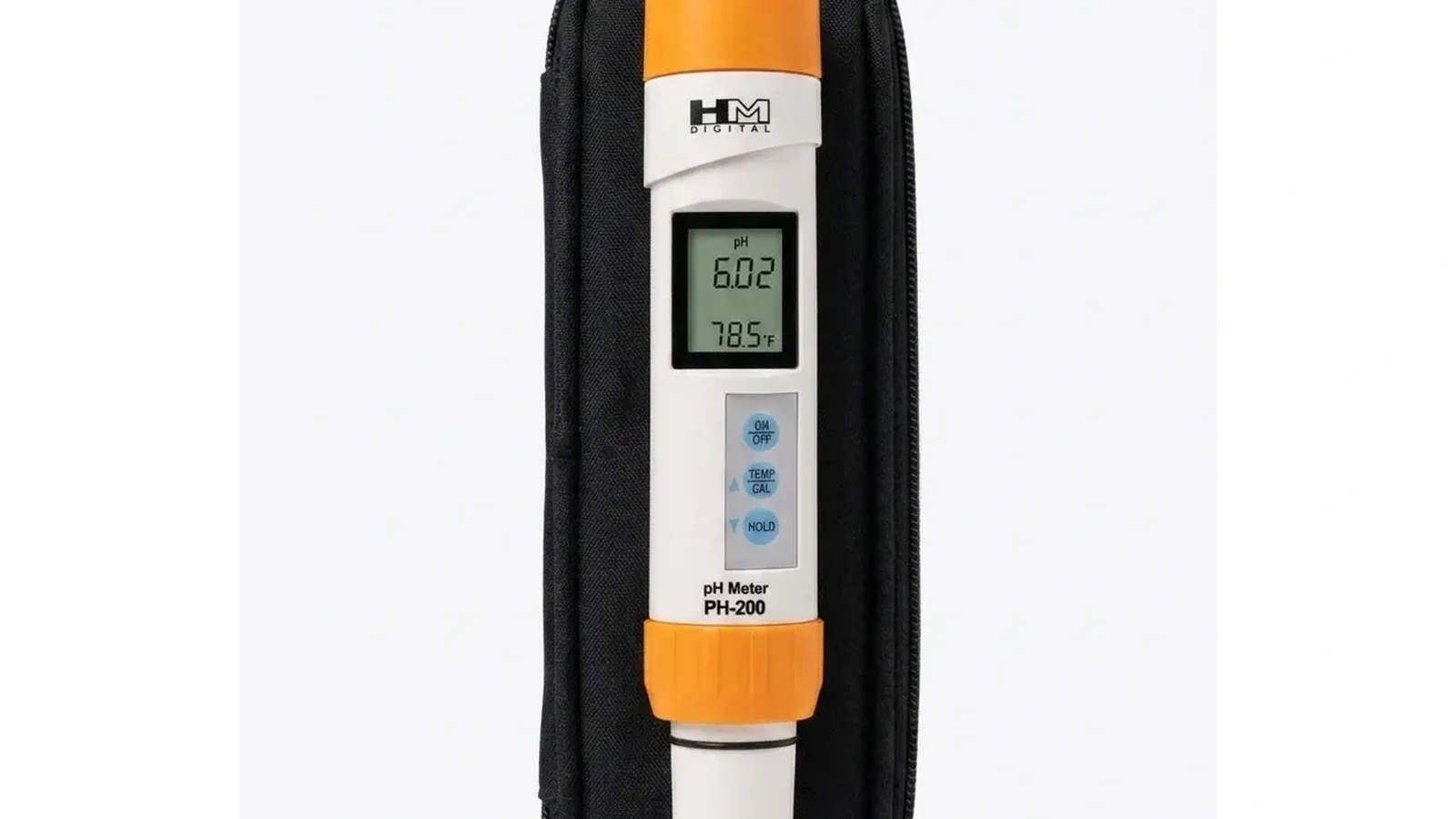
The practical starting point for aquarium pH calibration buffer selection is your expected reading and the buffer values documented for your meter. Hanna’s electrode guidance says that two-point buffers should bracket the expected pH reading. In plain terms, the expected reading sits between the two calibration values.
Turn an expected reading into a candidate pair
The following examples are hypothetical arithmetic illustrations, not recommended aquarium conditions or compatibility claims for a particular meter. Each pair is only a candidate if your meter’s instructions support those exact values and their use for two-point calibration.
| Hypothetical expected reading | Candidate buffer pair | How it brackets the reading |
|---|---|---|
| pH 6.5 | pH 4.01 and 7.00 | 4.01 < 6.5 < 7.00 |
| pH 8.2 | pH 7.00 and 10.01 | 7.00 < 8.2 < 10.01 |
| pH 8.2 | pH 6.86 and 9.18 | 6.86 < 8.2 < 9.18 |
These examples show why the expected reading matters: the same hypothetical pH 8.2 can sit between either of two different pairs. The arithmetic identifies a bracket; checking your meter’s documentation is the next purchasing step.
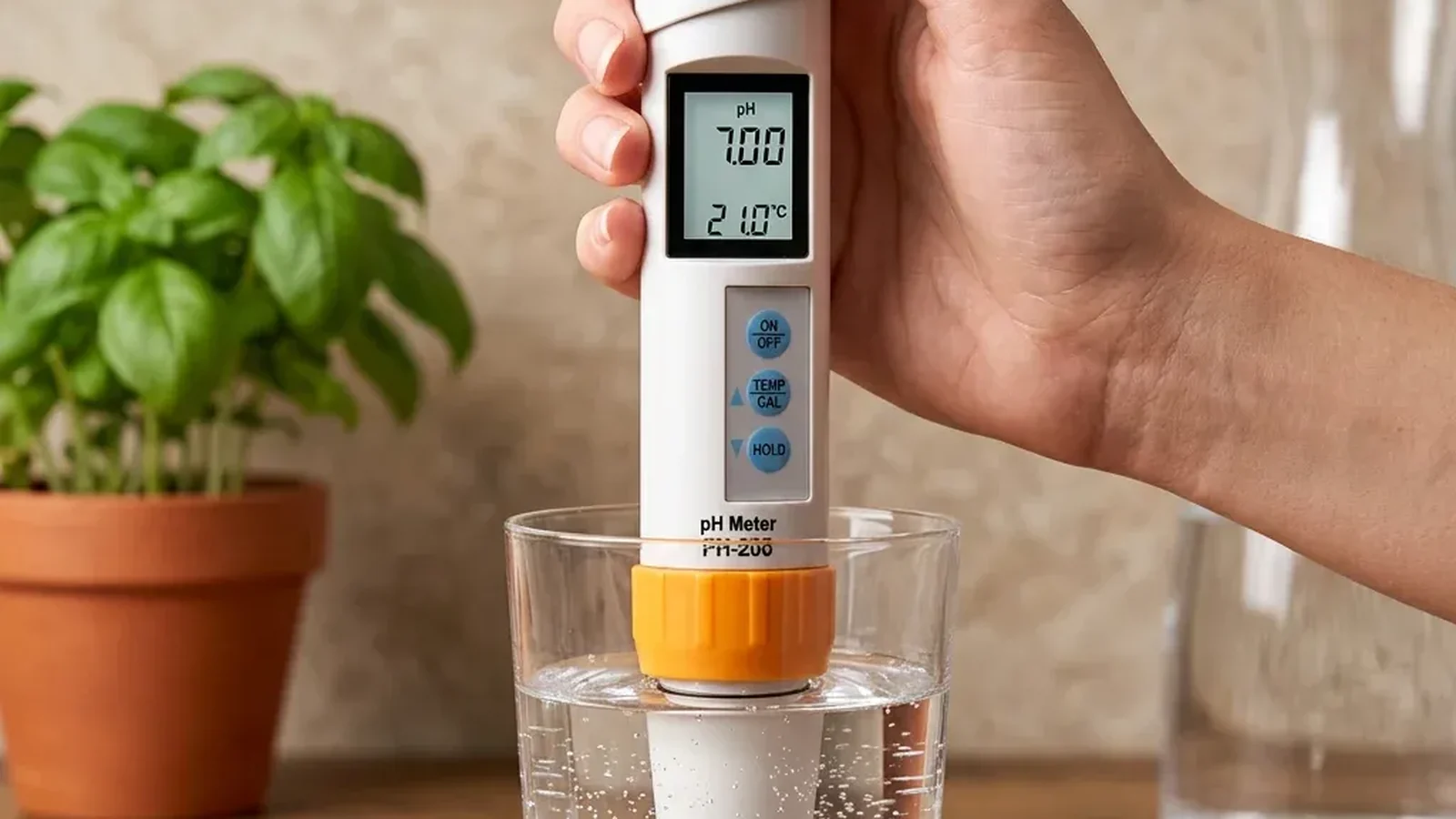
Check the exact numbers before buying
The Palintest pocket-meter manual lists a USA buffer set of 4.01/7.00/10.01 and a NIST set of 4.01/6.86/9.18. This is a documented example of different buffer families for that instrument, rather than evidence that every aquarium meter accepts both sets.
For your shopping list, copy the exact supported values from your own meter’s manual. Treat 6.86 and 7.00 as distinct values, and do the same for 9.18 and 10.01. Choose a pair only after checking both the bracket and the meter’s documented requirements.
Keep your calibration buffers fresh and free from contamination
Choosing the buffer values is only part of the purchase decision: plan how you will use fresh solution and keep used portions separate from the supply bottle. Hanna’s guidance states that pH measurements use the calibration solution as their reference point and recommends fresh solution for calibration.
Prepare separate portions for rinsing and calibration
Hanna recommends two beakers or containers for each buffer value: one for rinsing the probe with buffer and another for calibration. Its suggested handling sequence is:
- Rinse the electrode with purified water—RO, DI or distilled—before placing it in a calibration buffer.
- Rinse the probe in the first container of that buffer.
- Place the probe in the second container of the same buffer for calibration.
For each other calibration buffer, apply the same rinsing approach before entering it. Hanna states that purified-water rinsing reduces the chance of contaminating the buffer. Keep this handling routine alongside your meter’s own calibration instructions; it does not specify button presses, calibration order or settings for a PH-200 or any other model.
Never pour calibration buffer back into the bottle. A useful preparation habit is to label the containers by both pH value and purpose, such as “7.00 — rinse” and “7.00 — calibration”. This is a suggested way to organise the workspace, rather than a requirement stated by the manufacturer.
Consider freshness when choosing a pack
Hanna explains that water-based calibration buffers change over time. It specifically notes that pH 10.01 buffer decreases in pH as atmospheric carbon dioxide enters the solution. Its guidance recommends replacing bottles after they have been open for six months; treat that as Hanna’s stated guidance and check the instructions for the product you buy.
Before choosing a pack size, consider how much solution your documented procedure requires and how often you expect to calibrate. Check the seller’s stated contents and expiry information, then follow the buffer manufacturer’s storage and after-opening instructions. Marking the opening date on a bottle is a practical way to track the applicable after-opening period.
The aim is a manageable supply of the correct values, with fresh portions available when needed. A larger pack is only a sensible purchase for you if it fits that handling plan.
Make your buffer shopping list
Before ordering, write down your expected aquarium pH, the exact buffer values accepted by your meter and the two supported calibration points you intend to use. Check that the expected reading falls between those points: Hanna’s guidance recommends bracketing for two-point calibration.
Use this proposed buying checklist:
- Match the numbers: compare the values on the buffer listing with your meter’s manual, including the decimal places. The Palintest manual’s USA set is 4.01/7.00/10.01; its NIST set is 4.01/6.86/9.18. Use these as examples of different sets, not as a compatibility list for your own instrument.
- Check the pack details: confirm which values and quantities are included, along with the stated expiry and storage instructions. Choose the quantity around your planned use rather than assuming that the largest pack suits you.
- Plan the handling: have purified water and separate buffer containers ready. Hanna recommends fresh calibration solution, rinsing before entering any buffer and never returning used buffer to the bottle.
- Confirm the procedure: use your exact model’s instructions for calibration settings, sequence and number of points. This guide addresses selecting buffers for two-point calibration; it does not determine when your meter requires three-point calibration.
If compatibility remains unclear, ask the manufacturer or seller a precise question before buying: “Does this exact meter model support two-point calibration with these two buffer values, and which manual documents the procedure?”
Sources to check alongside your meter’s manual
Hanna Instruments: Guidelines for pH Electrode Maintenance and Use provides the bracketing, freshness and contamination-prevention guidance used here.
Palintest pH pocket-meter instruction manual (PDF) supplies the USA and NIST buffer-set example. Its listed sets apply to that manual’s instrument; use your own model’s documentation to make the final selection.