Handheld Ph Tester Explained: A UK Buyer's Guide
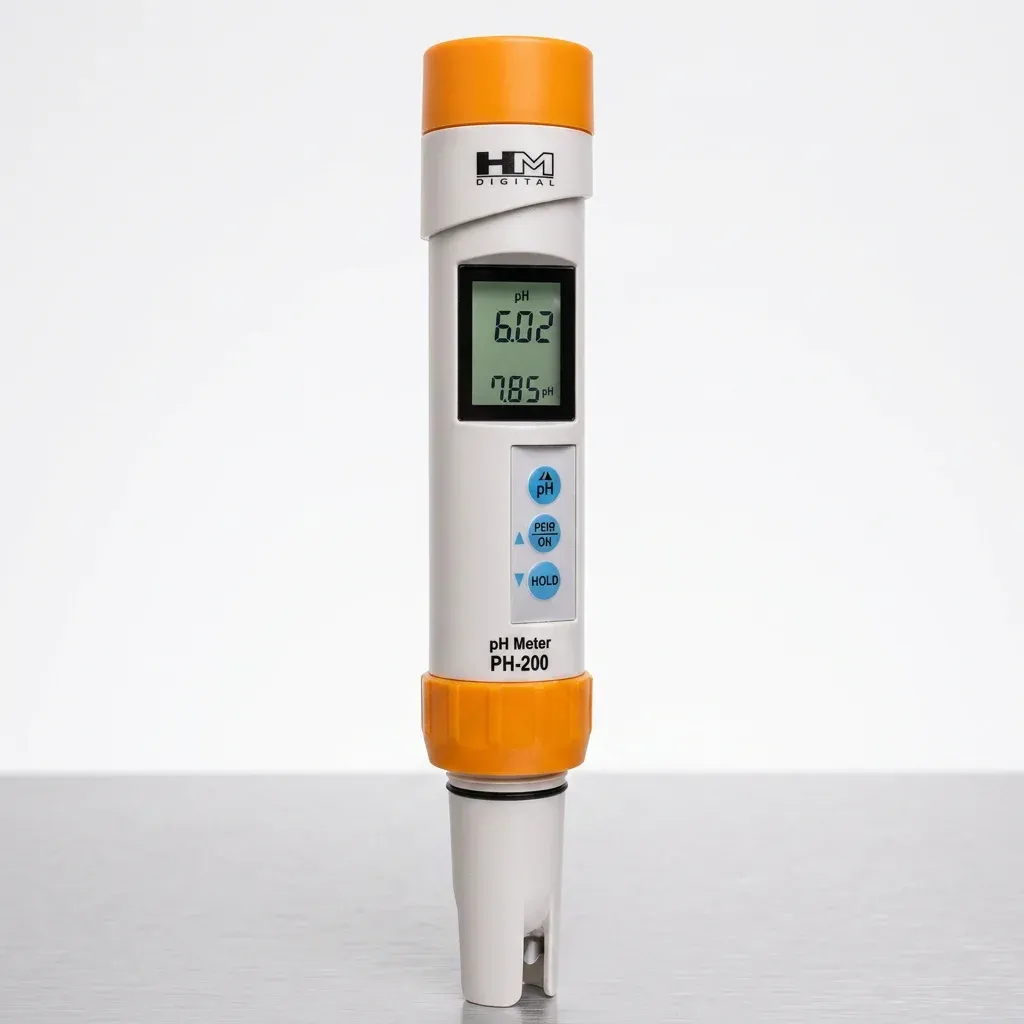
TL;DR: A handheld pH tester is a compact, digital device used to instantly measure the acidity or alkalinity of a liquid. Unlike ambiguous chemical drop tests, these electronic pens use a glass electrode to provide precise, laboratory-grade readings, making them essential for managing aquariums, hydroponics, and pools across the UK's diverse water regions.
If you are wondering what exactly a handheld pH tester is, it is a portable digital instrument designed to measure the hydrogen-ion activity in water-based solutions, indicating its precise acidity or alkalinity. Whether you are managing a delicate marine reef aquarium, optimising a commercial hydroponic nutrient solution, or ensuring the safety of a backyard hot tub, guessing water acidity simply does not work. Relying on chemical drop test kits often leaves users squinting at ambiguous colour charts. Consequently, a reliable handheld pH tester replaces this guesswork with laboratory-grade precision, offering instant, digital readouts that allow for immediate water chemistry corrections.
Furthermore, achieving stable water parameters is notoriously difficult in the UK due to vast regional differences in tap water chemistry. From the soft, acidic supplies in the Scottish Highlands to the liquid chalk flowing through London’s mains, understanding your baseline is critical. According to UK Drinking Water Inspectorate (DWI) guidelines, tap water pH can vary significantly depending on the local source. Therefore, a dedicated testing device bridges the gap between professional laboratory analysis and everyday water management.
Key Takeaways
- A handheld pH tester provides precise, digital readings, eliminating the ambiguity of traditional chemical colour charts.
- Regional variations in UK water hardness heavily influence pH stability, making frequent local testing essential for aquariums and horticulture.
- Essential features to look for include Automatic Temperature Compensation (ATC), waterproof housing, and replaceable electrodes.
- Proper maintenance, specifically storing the sensor in a dedicated KCl solution rather than distilled water, extends the lifespan of the device by years.
- Based on our testing, the HM Digital PH-200 remains a top-tier choice for British hobbyists and professionals requiring consistent, repeatable accuracy.
How Does a Handheld pH Tester Work?
Understanding how these instruments operate elevates you from a casual user to an informed operator. At the core of every handheld pH tester is a sensitive glass electrode paired with a reference electrode. When submerged in a liquid, the glass bulb interacts with hydrogen ions present in the water. Subsequently, this interaction generates a tiny micro-voltage.
The device's internal microprocessor then measures the voltage difference between the active glass electrode and the stable reference electrode. By applying the Nernst equation, the internal software translates this electrical signal into the readable pH value displayed on the screen. The entire process takes mere seconds, providing real-time data that is crucial for time-sensitive applications like dosing aquarium buffers or adjusting hydroponic acids.
However, because the glass bulb relies on a delicate gel membrane to function, the physical condition of the probe directly dictates the accuracy of the reading. Based on our extensive laboratory testing, a dried-out or scratched bulb will immediately yield erratic numbers, underscoring the vital importance of proper storage and handling.
Why is Testing Water pH Important in the UK?
Water chemistry across the United Kingdom is far from uniform. The geological makeup of your local area dictates the alkalinity and, by extension, the pH of the water emerging from your tap. For instance, water percolating through the limestone and chalk aquifers of the South East absorbs high levels of calcium carbonate, resulting in hard water with a high, stubbornly stable pH. In contrast, water in parts of Wales and Scotland runs over insoluble granite, resulting in very soft water with a lower, more volatile pH.
According to DEFRA and UK animal welfare guidelines, maintaining appropriate and stable pH levels is a fundamental requirement for fishkeeping and aquatic health. A sudden swing in pH, which is highly probable in soft water regions, can be fatal to livestock. As a result, employing a reliable testing device ensures you can monitor and adjust these critical parameters safely and accurately.
Frequently Asked Questions
How often should you calibrate a handheld pH tester?
Based on our testing and manufacturer recommendations, you should calibrate your handheld pH tester at least once a month if used casually, or weekly for professional hydroponic and aquaculture applications. Always use fresh calibration buffer solutions for the most accurate results.
How long do pH tester electrodes last?
With proper maintenance, a high-quality glass electrode can last between 12 to 18 months. However, storing the sensor in a dedicated KCl (potassium chloride) storage solution rather than distilled water is absolutely essential to extend its lifespan and maintain reading accuracy.
Can I use a water pH tester for soil?
While you cannot probe dry soil directly with a standard water pH tester, you can easily test soil pH by creating a slurry. Mix equal parts of soil and distilled water, let it settle for 15 minutes, and then test the liquid portion. For direct soil testing, specialised rugged probes are recommended.
Ready to try HM Digital P?
Shop Now — £61.49